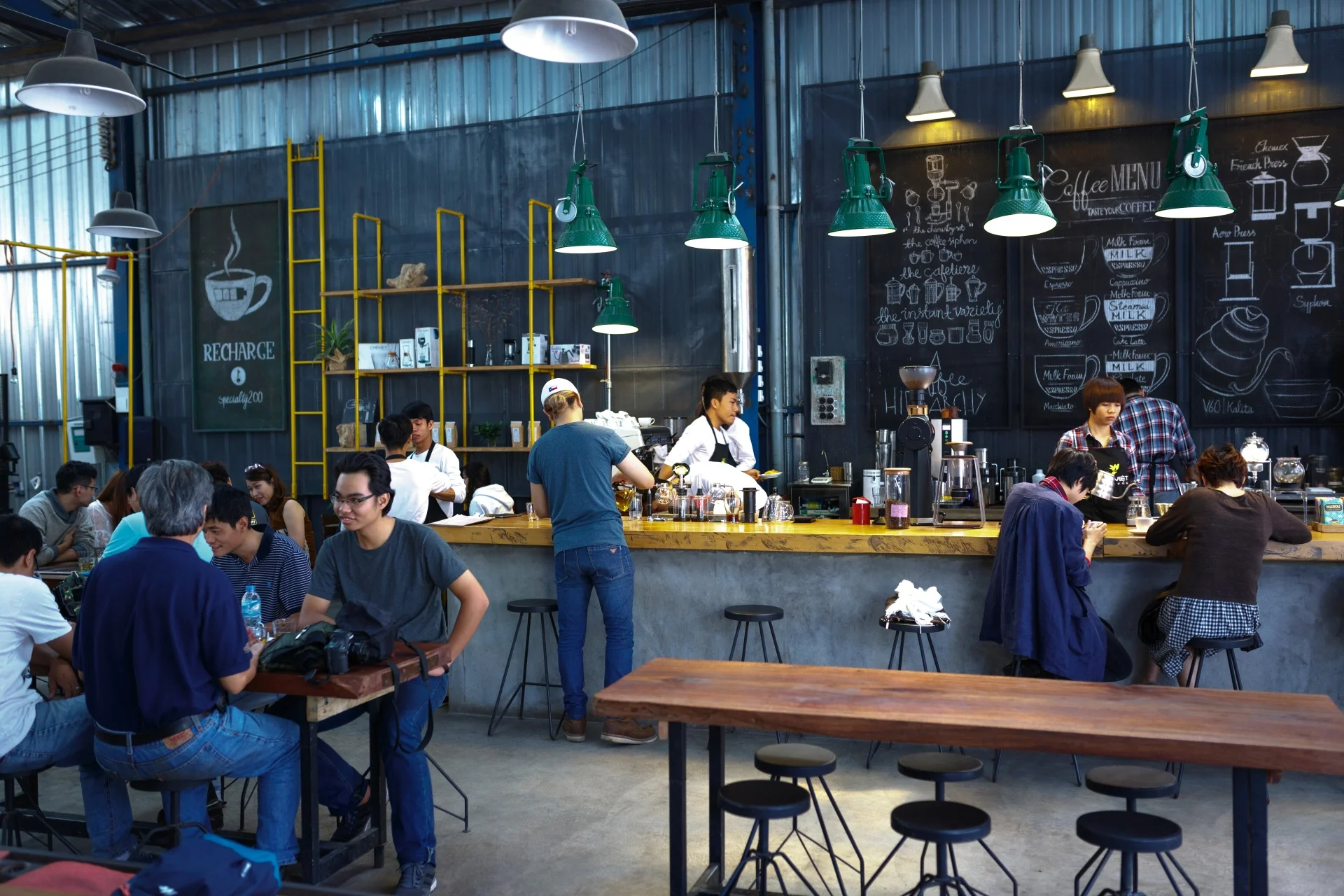
Dining area of a licensed Hong Kong café

Restaurant Licence Applications | Hong Kong Catering Licensing Consultants

Global Catering Consultancy Limited is a Hong Kong Restaurant Licensing Consultants consultancy helping food entrepreneurs and restaurant chains with restaurant licence applications . From site assessments, plans and documents to government approvals, we provide a complete restaurant licensing service.

Our services cover food business licences including General Restaurant Licence , Light Refreshment Restaurant Licence , Food Factory Licence , Liquor Licence Applications , as well as other food business licences and permits. We have served shopping centres and properties across Hong Kong and understand licensing requirements and approval procedures.

Whether you are opening a restaurant, café, takeaway or food factory, start by reviewing site selection requirements , the licensing process and restaurant licensing fees , then contact us for a free assessment.

Restaurant licensing at a glance

This information summarises FEHD application guides, fee schedules and seminar questions to help you understand the essentials of restaurant licensing in a minute.

Hong Kong restaurant licensing: key facts
Item Details
Licensing authority Director of Food and Environmental Hygiene
Relevant legislation Public Health and Municipal Services Ordinance (Cap. 132) and Food Business Regulation (Cap. 132X)
Restaurant licence categories General Restaurant, Light Refreshment Restaurant and Marine Restaurant Licences
Application form FEHB 94, with three copies of proposed layout plans at a scale of at least 1:100
Applicant An individual or a company
Submission methods In person, by post or online to the relevant FEHD Licensing Office
Application Vetting Panel meeting Within 20 working days after acceptance of the application
Provisional licence validity Six months
Government fees (premises up to 100 m²) General restaurant: issue $1,110, renewal $2,520; light refreshment restaurant: issue $400, renewal $1,810 (annual fees)
Sale of liquor A separate application to the Liquor Licensing Board is required (FEHB 106)

What is a restaurant licence, and who needs one?

Under the Food Business Regulation (Cap. 132X), anyone intending to operate a food business in Hong Kong must obtain the relevant food business licence from the Food and Environmental Hygiene Department (FEHD). Restaurant operators must obtain a licence before opening. Operating an unlicensed restaurant may lead to prosecution.

Definition of a restaurant licence

A restaurant is a food business selling meals or unbottled non-alcoholic drinks (other than Chinese herb tea) for consumption on the premises, commonly referred to as a restaurant licence .

  • General Restaurant Licence: permits preparation and sale of all kinds of food
  • Light Refreshment Restaurant Licence: limited to simple cooking methods producing little greasy fumes
  • Marine Restaurant Licence: restaurants operating on vessels
  • Excludes factory canteens and businesses operated by licensed hawkers

Food licences, catering licences and food business licences

“Food licence” and “catering licence” are common industry terms. Food business licence is the umbrella term; a restaurant licence is one category.

When is a restaurant licence not required?

According to FEHD seminar questions and answers, the following activities do not require a restaurant licence:

  • A club supplying food and drinks to its members (written FEHD permission is still required for restricted foods)
  • A canteen exclusively serving school students
  • A shop without seating that provides food only for consumption off the premises (a Food Factory Licence is required)

Your professional catering licensing consultants

Global Catering Consultancy Limited

Opening a restaurant is an ambition for many in Hong Kong. The most difficult and time-consuming work often happens before opening: finding premises, fitting out and obtaining a licence. For over 20 years, we have helped major brands resolve licensing issues so owners can avoid unnecessary detours and focus on opening their business.

To see the types of restaurants we have assisted, visit our client cases ; for works and licensing budgets for different business types, see Services & Fees .

Over 20 years of licensing experience: three reasons for confidence

Experience, efficiency and follow-through matter when choosing a restaurant licensing consultancy.

Fast processing: licences in as little as 30 days

We understand the approval process and help prepare plans and documents efficiently to obtain a Provisional Restaurant Licence provisional licence and open as soon as possible. Actual timing depends on the premises and progress of works.

Successfully assisted over 1,000 restaurants with licensing

Our practical experience covers shopping centres, street-level shops, upper-floor premises and industrial buildings, with many successful licensing cases .

One-stop restaurant licensing you can rely on

From site inspections and plans to supporting certificates and approvals, we coordinate the entire process so owners can focus on preparing and operating their businesses.

General Restaurant vs Light Refreshment Restaurant Licences

The first step is choosing a licence that suits your menu and cooking methods. Choosing incorrectly may require a new application if you later change your menu.

Comparison: General Restaurant, Light Refreshment Restaurant and Food Factory Licences
Comparison General Restaurant Licence Light Refreshment Restaurant Licence Food Factory Licence
English name General Restaurant Licence Light Refreshment Restaurant Licence Food Factory Licence
Cooking methods Preparation and sale of any kind of food Simple methods producing little greasy fumes, such as boiling, stewing, steaming, braising and pan-frying; excludes deep-frying and stir-frying Preparation of approved food categories
Dine-in allowed? Yes Yes No; food is for consumption off the premises
Common examples listed by FEHD Chinese banquet restaurants, Japanese, Korean and Western restaurants, and Hong Kong-style cafés Wonton noodle shops, congee shops, coffee shops, dessert shops and oyster bars Takeaway shops and catering services
Kitchen requirements At least one kitchen is required A food counter alone may be sufficient According to the relevant application guide
Minimum food-room area (examples) Total floor area up to 100 m²: at least 25%, and not less than 8 m² Total floor area above 55 m² and up to 95 m²: at least 14% or 12 m², whichever is smaller According to the relevant application guide
Toilet requirements The requirements are the same for both restaurant licences and depend on customer and staff numbers; customers are calculated at 1.5 m² per person in the seating area No seating
Premises size recommended by FEHD Preferably at least 30 m² of usable floor area Preferably at least 20 m² of usable floor area According to the relevant application guide
Government fees (premises up to 100 m²) Issue: $1,110; annual renewal: $2,520 Issue: $400; annual renewal: $1,810 According to the FEHD fee schedule
Eligible for a Liquor Licence? Yes Yes Not applicable; liquor licences apply to premises with a restaurant licence
Application form FEHB 94 FEHB 94 FEHB 94

How do you choose the right restaurant licence?

Deep-frying, stir-frying and other cooking that produces substantial greasy fumes require a General Restaurant Licence, a kitchen and a larger food-room allocation. Shops serving simple light meals and drinks may apply for a Light Refreshment Restaurant Licence. Takeaway-only shops without seating require a Food Factory Licence. If you are unsure which licence is appropriate, contact our licensing consultants for a free assessment.

FEHD layout example: a 100 m² general restaurant

The FEHD guide illustrates a 100 m² general restaurant employing five staff: a 22 m² kitchen, a 6 m² food counter, male and female toilets of 5 m² each, and a 57 m² seating area for 38 customers. The combined food preparation area is 28 m², exceeding the 25 m² minimum. A separate example of a 65 m² light refreshment restaurant has a 14 m² food counter and a 28.5 m² seating area for 19 customers.

Can a Light Refreshment Restaurant Licence be converted to a General Restaurant Licence?

Yes, but an application to FEHD is required. As the same premises cannot hold both licences simultaneously, FEHD must cancel the existing light refreshment licence before issuing the provisional or full general restaurant licence.

Before signing a lease: which premises are suitable?

Many failed applications originate in problems with the premises. Check each of the following criteria from FEHD's Guide on Types of Premises Not Suitable for Restaurant Licensing before signing a lease.

Suitable premises

  • Restaurant use is permitted by the occupation permit, government lease and statutory plans
  • No unauthorised building works; inspect approved building plans held by the Buildings Department
  • Adequate floor loading: the minimum imposed load for a restaurant is 4 kPa (80 lb/ft²)
  • Adequate means of escape
  • Mains drinking water, flushing toilets and proper drainage
  • Independent ventilation systems can be installed for the kitchen, toilets and seating area

Premises unsuitable for restaurant licensing

  • Premises in industrial or warehouse buildings
  • Upper-floor premises designated for residential use
  • Premises on the fourth basement level or below
  • Areas designated for emergency use, such as buffer or refuge floors
  • Upper-floor units in buildings with only one staircase
  • Unauthorised buildings or premises with unauthorised building works
  • Areas excluded from gross floor area, such as plant rooms, recreational facilities and clubhouses
  • Premises immediately below registered schools, child care centres, elderly homes or residential care homes for persons with disabilities (may be considered if fire risks can be mitigated)

Fire safety considerations before choosing a site

A modified sprinkler system may be required in the following circumstances:

  • Old composite buildings completed, or with plans first submitted, on or before 1 March 1987
  • Total floor area exceeding 230 m²
  • Basement premises exceeding 126 m²
  • Structural or space constraints may prevent installation of a fire service water tank for the sprinkler system

Upper-floor or basement premises must have at least two suitable fire-resisting escape staircases.

Street-level, upper-floor and industrial premises

Ground-floor premises with direct access to the street generally present fewer escape-route issues. Upper-floor shops require attention to staircases and floor loading. Industrial buildings generally permit only factory canteens rather than restaurants. Check land-use suitability with the Lands Department and ensure sufficient toilets and ventilation. Our site inspection service assesses these requirements before you sign a lease.

Five steps to obtaining your food business licence

Our five-step service follows the requirements of the FEHD restaurant licensing process.

01

Site inspection

We inspect the premises against site selection criteria to assess licensing suitability and advise on licence type, layout, ventilation, water supply and drainage.

02

Document preparation

We help complete FEHB 94, prepare three copies of proposed layout and ventilation plans, and prepare the declaration of compliance with government lease conditions (FEHB 192).

03

Handle all licensing documents

We coordinate requirements from the Buildings Department, Fire Services Department and Environmental Protection Department, prepare a programme, track documents, and help submit them to the licensing authority for a provisional licence.

04

Follow up approvals and fitting-out progress

We attend site inspections and Application Vetting Panel meetings, help fulfil the licensing conditions and obtain all Licensing requirements required certificates, and follow up departmental verification.

05

Obtain a licence in as little as 30 days

Once basic requirements are met, obtain a provisional licence to open, then complete outstanding requirements for the full licence.

FEHD restaurant licensing timetable

The following timeframes are drawn from FEHD's application guide flowchart and seminar questions and answers.

Application stages and service pledge timeframes
Stage Details Timeframe
1. Submit application Application form, proposed layout plans and government lease compliance declaration; full and provisional licences may be applied for together Arranged by the applicant
2. Preliminary plan screening FEHD screens the layout plans; plans that fail screening are returned 3 working days (plans returned within 10 working days)
3. Referral and site inspections Referral to the Buildings, Fire Services and Planning Departments and other relevant departments, followed by site inspections Within 20 working days of acceptance
4. Application Vetting Panel meeting FEHD, the Buildings Department and Fire Services Department explain their comments and licensing requirements
5. Letter of Requirements Issue of requirements for full and provisional restaurant licences After the meeting
6. Obtain provisional licence Submit recognised compliance certificates for counter issue at the licensing office 1 working day
7a. Full licence: conventional system After notification of compliance, FEHD carries out final verification and approves the licence once requirements are met Inspection within 8 working days; approval within 7 working days
7b. Full licence: Professional Certification System Submit the Certificate of Compliance (Health Requirements), final plans and other certificates without a prior site inspection Approval notification within 2 working days

Provisional licences, full licences and professional certification

Applicants may choose whether to apply for a provisional licence; if required, the application must accompany the full licence application.

Provisional Restaurant Licence

  • Often called a temporary restaurant licence, its official name is Provisional Restaurant Licence
  • Issued to premises meeting basic hygiene, building safety, fire safety and ventilation requirements
  • An Authorised Person, Registered Specialist Contractor (Ventilation Works) and Registered Fire Service Installation Contractor certify compliance with basic licensing requirements
  • Valid for six months
  • Where documents meet requirements, counter issue is available within one working day
  • Submitting an application does not permit trading; a licence must be issued before opening
  • Complete outstanding requirements before expiry to avoid unlicensed operation

Full Restaurant Licence

  • Complete works and submit documents according to the Letter of Requirements
  • The applicant's completion time directly affects the issue date
  • FEHD conducts final verification within eight working days of notification
  • Approval is given within seven working days after full compliance is confirmed
  • The prescribed licence fees must be paid before issue

Professional Certification System

  • A “licence first, inspection later” route to a full licence
  • An Authorised Person or Registered Structural Engineer issues the Certificate of Compliance (Health Requirements)
  • No prior site inspection; FEHD notifies approval within two working days
  • FEHD conducts a post-licensing inspection to verify the actual layout against approved plans
  • Non-compliance may result in warnings, prosecution or referral to other departments
  • The system has been extended to General Restaurant Licence applications

A Temporary Food Factory Licence is a different licence for temporary stalls at public events such as exhibitions and concerts. It is valid for no more than seven days and is not a Provisional Restaurant Licence.

Licensing requirements: hygiene, building safety, fire safety and ventilation

Applicants must meet departmental licensing conditions, government lease conditions and statutory planning restrictions before a licence can be issued. The main requirements are outlined below; individual conditions depend on the restaurant's operating model.

Hygiene requirements (FEHD)

  • Mains water supply, proper drainage and flushing toilets
  • No manholes inside kitchens, food preparation rooms or sculleries
  • Smooth, light-coloured, non-absorbent floors in food preparation areas, sloping towards drainage outlets
  • Smooth, non-absorbent wall finishes at least two metres high, with coved junctions
  • Sufficient wash-hand basins, sinks, grease traps, refrigerators and sterilising equipment
  • A full-time Hygiene Manager or Hygiene Supervisor who has completed recognised training

Building safety requirements (Buildings Department)

  • No unauthorised building works, certified by a professional using FEHB 191
  • Minimum imposed floor load of 4 kPa
  • Fire-resisting design and construction
  • Adequate means of escape and access for firefighting and rescue
  • At least two fire-resisting escape staircases for upper-floor or basement premises
  • Alterations affecting structure or escape routes may require plans submitted by an Authorised Person or Registered Structural Engineer

Fire safety requirements (Fire Services Department)

  • Comply with requirements imposed by the Fire Services Department or a Registered Fire Engineer
  • Fire service installations and equipment installed by a registered contractor
  • Mechanical ventilation systems must also comply with specified fire safety requirements
  • Some premises require a sprinkler or modified sprinkler system
  • Installed and stored bottled LPG must not exceed 130 litres

Ventilation requirements

  • Separate ventilation systems for kitchens, toilets and seating areas
  • Where natural ventilation is insufficient, provide at least 17 m³ of outdoor air per person per hour
  • Metal extraction hoods connected to exhaust fans above all cooking equipment
  • Filter grease before discharging exhaust outdoors, without causing nuisance
  • Fresh-air intakes and exhaust outlets at least 2.5 metres above street level
  • Compliance certified by a Registered Specialist Contractor (Ventilation Works)

Electrical, gas and environmental requirements

  • New fixed electrical installations inspected, tested and certified by registered electrical workers or contractors
  • Gas installations designed, installed and commissioned by a registered gas contractor
  • Adequate grease traps to prevent grease entering drains
  • Apply to the Environmental Protection Department for an effluent discharge licence under the Water Pollution Control Ordinance
  • Observe air pollution, noise and waste control requirements

Land and planning requirements

  • Use must comply with government lease conditions; submit declaration FEHB 192
  • Use must comply with statutory planning restrictions
  • Do not encroach on government land or public passages around the premises
  • Relevant documents can be obtained from the Land Registry, Buildings Department and Planning Department

Layout plan information and required professionals

Incomplete plans or unnecessary amendments after the Letter of Requirements can delay the application.

Plans must show

  • The area covered by the restaurant licence application
  • Spaces for cooking, preparing, handling and storing food
  • Seating layout and meal-service areas
  • Spaces for cleaning, sterilising and storing utensils
  • Sanitary facilities, drainage and all entrances and exits
  • Windows, ventilation ducts and mechanical ventilation facilities
  • Locations of permanent large furniture and equipment
  • Waste storage and fuel types

Professionals needed for a licensing application

  • Authorised Person or Registered Structural Engineer: alteration and addition works and certification
  • Registered Fire Engineer: risk assessments and testing where required
  • Registered Fire Service Installation Contractor: fire service installations
  • Registered Specialist Contractor (Ventilation Works): ventilation certification
  • Registered Electrical Contractor: electrical works
  • Registered Gas Contractor: gas installation works

Common causes of delay

  • Starting fitting-out before receiving the Letter of Requirements
  • Incomplete plans or repeated plan amendments
  • Unresolved unauthorised building works
  • Locating a kitchen over manholes or sewage pipes
  • An uncancelled food business licence held by the previous operator
  • Overlooking other departments' requirements

We arrange Certificates of Compliance A, B, C and D, structural engineering certificates, electrical certificates (WR1), gas certificates and fire certificates. See certificate types and application services .

Restaurant licensing costs: government and consultancy fees

Costs comprise government licence fees and consultancy service fees. Government fees depend on the restaurant type and floor area; initial issue and renewal fees differ.

General Restaurant Licence fees (annual, HKD)
Restaurant floor area Issue of full licence Full licence renewal
Up to 100 m² $1,110$2,520
Over 100 m² and up to 150 m² $1,730$3,140
Over 150 m² and up to 200 m² $3,000$4,410
Over 200 m² and up to 250 m² $3,940$5,650
Over 250 m² and up to 300 m² $5,150$6,860
Over 300 m² and up to 350 m² $6,460$8,170
Over 350 m² and up to 400 m² $7,710$9,420
Over 400 m² and up to 450 m² $8,980$10,690
Over 450 m² and up to 500 m² $10,260$11,970
Light Refreshment Restaurant Licence fees (annual, HKD)
Restaurant floor area Issue of full licence Full licence renewal
Up to 100 m² $400$1,810
Over 100 m² and up to 150 m² $860$2,270
Over 150 m² and up to 200 m² $1,750$3,160
Over 200 m² and up to 250 m² $2,360$4,070
Over 250 m² and up to 300 m² $3,250$4,960

Source: FEHD restaurant licence fee schedule. Larger premises fall into higher fee bands. All fees are subject to FEHD's latest published schedule.

Provisional Restaurant Licence fees

The provisional licence fee is half the full licence renewal fee. For premises up to 100 m², it is $1,260 for a general restaurant and $905 for a light refreshment restaurant.

Indicative consultancy fees

Consultancy fees depend on size, licence type and premises condition. Our indicative licensing budgets are about HK$20,000 for takeaway shops and food factories, HK$30,000 for cafés and light refreshment shops, and HK$40,000 for restaurants and hotpot restaurants. For works budgets and details, see business formats and indicative budgets .

Other opening costs to allow for

In addition to licence and consultancy fees, allow for fitting-out, ventilation, fire safety, electrical and gas installations, and professional certification. Premises condition strongly affects these costs, so arrange a site assessment before signing a lease to review the overall budget.

Licences and permits we handle

We assist catering and related businesses in Hong Kong, from restaurants and manufacturing to retail and entertainment, with solutions suited to their operations.

General Restaurant Licence

General Restaurant Licence

Allows preparation and sale of all kinds of food for consumption on the premises. Examples include Chinese banquet restaurants, Japanese, Korean and Western restaurants, and Hong Kong-style cafés. A kitchen is required. Compare general and light refreshment restaurants

Light Refreshment Restaurant Licence

Light Refreshment Restaurant Licence

Only simple cooking methods producing little greasy fumes are permitted, including boiling, stewing, steaming, braising and pan-frying, but not deep-frying or stir-frying. Examples include noodle shops, congee shops, coffee shops, dessert shops and oyster bars.

Factory Canteen Licence

Factory Canteen Licence

Premises must be in an industrial building, supplying meals or unbottled non-alcoholic drinks for consumption there by people employed in factories in that building.

Food Factory Licence

Food Factory Licence

Covers food prepared for consumption off the premises, such as takeaways, catering, roasted meat, desserts, noodles, sauces and packaged foods. View covered business types

Bakery Licence

Bakery Licence

Required before opening premises that bake bread and other bakery products for sale in Hong Kong. Application form: FEHB 94.

Frozen Confection Factory Licence

Frozen Confection Factory Licence

Required to manufacture ice cream, soft ice cream, ice lollies and other frozen confections, including soft ice cream from dispensing machines for direct retail. A separate licence is not required for manufacture in a licensed restaurant for dine-in consumption.

Milk Factory Licence

Milk Factory Licence

Required before operating a business that processes or reconstitutes milk or milk beverages. A separate licence is not required for preparation in a licensed restaurant for consumption there.

Fresh Provision Shop Licence

Fresh Provision Shop Licence

Required for shops selling fresh, frozen or chilled beef, mutton, pork, reptiles (including live reptiles), fish (including live fish) or poultry (including live poultry).

Siu Mei and Lo Mei Shop Licence

Siu Mei and Lo Mei Shop Licence

Required for retail sale of siu mei or lo mei sourced from licensed food factories or other lawful sources. Preparation on site requires a separate Food Factory Licence. Restaurants selling these foods require an endorsement on their licence.

Cold Store Licence

Cold Store Licence

Required before operating a food business that stores food under refrigeration in a warehouse in Hong Kong.

Composite Food Shop Licence (commonly called a reheating licence)

Composite Food Shop Licence

Covers preparation and sale of specified foods such as coffee, tea, salads, sandwiches, waffles, sushi and sashimi, and reheating precooked food for consumption off the premises. Only electricity may be used as fuel. Form: FEHB 244.

Restricted Food Permit

Restricted Food Permit

Required for restricted foods such as unbottled drinks, frozen confections, milk, cut fruit, sushi, sashimi, oysters, live fish and shellfish. Online sales also require permits. Forms: FEHB 95 or FEHB 95B.

Chinese Herb Tea Permit

Chinese Herb Tea Permit

Chinese herb tea is a restricted food; shops selling it need a Restricted Food Permit. Chinese herb jelly is also a restricted food.

Liquor Licence Applications

Liquor Licence

A Liquor Licence from the Liquor Licensing Board is required before selling liquor for consumption in licensed restaurant premises (FEHB 106). Applications can also be submitted online. We handle applications and supporting documents.

Club Licensing

Club Licence

New clubs must obtain a Certificate of Compliance from the Home Affairs Department's Office of the Licensing Authority before opening and renew it annually. Serving liquor also requires a Club Liquor Licence (FEHB 107).

Karaoke Establishment Permit

Karaoke Establishment Permit

A Karaoke Establishment Permit (FEHB 175) is required for karaoke in licensed restaurant premises and is valid only while the restaurant licence remains valid. Restaurants with karaoke rooms occupying no more than 30% of the seating area may apply for exemption.

Guesthouse and Hotel Licences

Hotel and Guesthouse Licence

Hotels and guesthouses must obtain a licence from the Home Affairs Department's Office of the Licensing Authority under the Hotel and Guesthouse Accommodation Ordinance (Cap. 349).

Places of Public Entertainment Licence

Places of Public Entertainment Licence

Required from FEHD for venues used for public entertainment such as concerts, stage performances, film screenings, exhibitions, bazaars and dance parties. Form: FEHB 104.

Amusements with Prizes Licence

Amusements with Prizes Licence

Entertainment venues offering prizes, such as claw-machine shops, generally require an Amusements with Prizes Licence.

School Registration

School Registration

Institutions providing nursery, kindergarten, primary, secondary, post-secondary or other educational courses must apply for school registration.

Food factories, composite food shops and restricted foods: scope

Businesses without dine-in service can easily choose the wrong licence. Below is FEHD's scope for these three licence and permit categories.

Common businesses requiring a Food Factory Licence

  • Manufacturing canned, bottled or otherwise packaged food or drinks
  • Manufacturing soy sauce, pickles or sauces
  • Preparing cured foods, including preserved meats, sausages, lo mei and preserved fruit
  • Operating takeaway shops or catering services
  • Roasting meat or poultry
  • Manufacturing desserts, snacks and cakes
  • Manufacturing tofu, soy milk and soy products
  • Manufacturing noodles, rice noodles and pasta
  • Manufacturing gluten products, such as vegetarian lo mei
  • Manufacturing processed foods such as fish, prawn and meat balls
  • Manufacturing distilled or bottled drinking water

Foods covered by a Composite Food Shop Licence

May be prepared and sold on the premises:

  • Coffee and tea
  • Salads, sandwiches and waffles
  • Sashimi, sushi and oysters for raw consumption
  • Soft ice cream and frozen carbonated drinks

May only be sold:

  • Siu mei or lo mei, cut fruit, Chinese herb jelly and Chinese herb tea
  • Unbottled drinks, frozen confections, milk and milk beverages

Also permits reheating precooked food and selling food through vending machines.

Restricted foods requiring permits

  • Unbottled drinks, such as fresh juice and soy milk
  • Frozen confections
  • Milk and milk beverages
  • Cut fruit
  • Chinese herb tea and Chinese herb jelly
  • Sushi and sashimi
  • Oysters and meat intended for raw consumption
  • Live fish, shellfish and hairy crabs
  • Food sold through vending machines
  • Online sale of prepackaged meat, sushi, sashimi, oysters, shellfish, frozen confections and hairy crabs

Licensing requirements for online food sales

Restricted foods sold through websites or online platforms must be prepared, prepackaged and supplied by approved suppliers. Online sales premises must not store, handle (for example cut, slice or package) or prepare those foods unless the relevant permit or food business licence is obtained. Separate permits are required for different restricted food categories on the same website, or a composite restricted food permit may be obtained.

Which food business licence does your shop need?

Different operating models require different licences. The table below lists typical licences by business type; the final choice depends on the food and premises.

Common catering formats and typical licences
Business format Typical licence Points to note
Chinese banquet restaurants, Western restaurants, Hong Kong-style cafés and hotpot restaurants General Restaurant Licence ; liquor sales additionally require a Liquor Licence A kitchen is required, with more demanding ventilation and fire safety requirements
Coffee shops, dessert shops, congee and noodle shops, and oyster bars Light Refreshment Restaurant Licence No deep-frying or stir-frying; upper-floor premises require attention to staircases and lease conditions
Takeaways and catering Food Factory Licence No seating; food is for consumption off the premises
Bakeries and cake shops Bakery Licence Required before opening
Ice cream and soft ice cream shops Frozen Confection Factory Licence A Frozen Confection Permit may cover retail of premade products; installing a soft ice cream machine requires a manufacturing licence
Takeaway coffee shops, sandwich shops and shops reheating food Composite Food Shop Licence Electricity is the only permitted fuel
Meat stalls, frozen meat shops and seafood shops Fresh Provision Shop Licence Additional permit requirements may apply to live fish and shellfish
Siu mei shops Siu Mei and Lo Mei Shop Licence Roasting on the premises requires a separate Food Factory Licence
Industrial-building canteens Factory Canteen Licence Serve employees of factories in the same industrial building
Food production premises Food Factory Licence and related licences Check water supply, drainage, electricity and ventilation
Temporary snack stalls at events and exhibitions Temporary Food Factory Licence Valid for no more than seven days; no deep-frying, stir-frying or barbecuing
Online shops selling sashimi, chilled meat or hairy crabs Online Restricted Food Permit Food must be prepared, prepackaged and supplied by approved suppliers
Restaurants with karaoke rooms Restaurant Licence, plus a Karaoke Establishment Permit or exemption Depends on the size and number of karaoke rooms

Supporting certificates for food licensing

Besides the licence application, professional documents include Certificates of Compliance A (health), B (building safety), C (fire safety) and D (ventilation), structural engineering certificates, electrical certificates (WR1), gas certificates and fire certificates. We also handle licence transfers and alterations to plans. See the full list under certificate types and application services ; for works and licensing budgets by business type, see business formats and indicative budgets .

Government departments and licensing offices involved

Restaurant applications involve more than FEHD. Several departments advise on premises suitability, and their requirements must be met before a licence is issued.

Government departments' responsibilities in restaurant licensing
Department Responsibilities
Food and Environmental Hygiene Department Licensing authority responsible for health requirements and issuing licences
Buildings Department Licensing Unit Building safety advice for premises in private buildings
Housing Bureau Independent Checking Unit Advice for Housing Authority properties and properties divested to Link
Architectural Services Department Advice for government properties
Lands Department Advice for premises in New Territories Exempted Houses
Fire Services Department Imposes fire safety requirements and verifies compliance
Electrical and Mechanical Services Department Enforces legislation on electrical and gas installations
Environmental Protection Department Imposes relevant environmental requirements
Planning Department Advice on statutory planning restrictions
Labour Department Enforces occupational safety and health legislation
Liquor Licensing Board Approves Liquor Licence and Club Liquor Licence applications
FEHD Licensing Offices
Office Address Telephone
Hong Kong and Islands Licensing Office 8/F, Lockhart Road Municipal Services Building, 225 Hennessy Road, Wan Chai, Hong Kong 2879 5738
Kowloon Licensing Office 4/F, Pei Ho Street Municipal Services Building, 333 Ki Lung Street, Sham Shui Po, Kowloon 2729 1632
New Territories Licensing Office 4/F, Tai Po Complex, 8 Heung Sze Wui Street, Tai Po, New Territories 3183 9226
Restaurant Licensing Resource Centre 4/F, Pei Ho Street Municipal Services Building, 333 Ki Lung Street, Sham Shui Po, Kowloon 2958 0694

Office details are from the November 2025 edition of FEHD's brief restaurant licensing guide and are subject to the latest FEHD information. If you prefer not to coordinate departments yourself, our licensing consultancy team can assist.

Restaurant licensing FAQs

Answers to common questions from catering entrepreneurs.

Are restaurant licences, food licences and food business licences the same?

“Food licence” and “catering licence” are common terms for food business licences. Food business licences issued by FEHD include restaurant, food factory and bakery licences. Restaurant licences specifically cover food consumed on the premises and comprise General Restaurant, Light Refreshment Restaurant and Marine Restaurant Licences. See Licence types .

What is the difference between general and light refreshment restaurant licences?

A General Restaurant Licence permits any food and cooking method. A Light Refreshment Restaurant Licence permits simple methods producing little greasy fumes, such as boiling, stewing, steaming, braising and pan-frying, excluding deep-frying and stir-frying. General restaurants require at least one kitchen and a larger food-room allocation. Toilet requirements are the same for both types. See the licence comparison table .

How long does a restaurant licence application take?

FEHD preliminarily screens plans within three working days and holds an Application Vetting Panel meeting within 20 working days of acceptance, including referrals, inspections and requirements preparation. Subsequent timing depends on the applicant completing the requirements. After notification, FEHD inspects within eight working days and approves the full licence within seven working days after confirming compliance. See the licensing timetable .

What is a Provisional Restaurant Licence?

FEHD issues provisional licences to premises meeting basic hygiene, building safety, fire safety and ventilation requirements. Valid for six months, they allow restaurants to open while completing remaining requirements. Applicants must apply alongside the full licence application. “Temporary restaurant licence” commonly refers to this provisional licence.

Can I start trading after applying for a provisional licence?

No. You must hold a valid food business licence to trade. After applying, you must still meet FEHD, Buildings Department and Fire Services Department requirements and receive the licence before opening. Where documents comply, a provisional licence can be issued within one working day.

How much does a restaurant licence cost?

Government fees depend on licence category and floor area. For premises up to 100 m², annual general restaurant fees are $1,110 for issue and $2,520 for renewal; light refreshment restaurant fees are $400 for issue and $1,810 for renewal. Provisional fees are half the full licence renewal fee. Consultancy fees are separate and depend on size and licence type. See the full restaurant licensing fees .

Which licence is needed for takeaway-only premises without seating?

Premises preparing food for consumption off the premises require a Food Factory Licence. Shops selling specified simple or ready-to-eat foods, or reheating precooked food, may consider a Composite Food Shop Licence. See licence coverage .

What is a “reheating licence”?

There is no official licence with this name. Reheating precooked food for consumption off the premises falls within a Composite Food Shop Licence. Only electricity may be used as fuel. Application form: FEHB 244.

Can restaurants operate in residential or industrial buildings?

Residential premises cannot be used as restaurants, and upper-floor units designated for residential use will not receive a restaurant licence. Industrial-use parts of buildings are also unsuitable. Industrial buildings generally permit only factory canteens. See site selection requirements .

Can an upper-floor shop obtain a restaurant licence?

Yes, subject to escape-route requirements. Upper-floor or basement premises need at least two suitable fire-resisting escape staircases. Upper floors in single-staircase buildings cannot be used as restaurants. The minimum imposed floor load is 4 kPa.

Can I fit out first and apply afterwards?

FEHD advises against starting fitting-out or decoration before receiving the Letter of Requirements. Unnecessary changes to proposed plans after receiving it should also be avoided, as they delay processing.

Can I use the previous operator's licence or apply for another one?

A second food business licence will not be issued while an existing licence remains valid for the same premises. Documents such as a stamped tenancy agreement or a landlord's tenancy confirmation can support cancellation of the previous licence before a new one is considered.

Can a Light Refreshment Restaurant Licence be converted to a General Restaurant Licence?

Yes, but an application to FEHD is required. As the same premises cannot hold both licences simultaneously, FEHD must cancel the existing light refreshment licence before issuing the provisional or full general restaurant licence.

How does a restaurant apply for a Liquor Licence?

Before selling liquor for consumption in licensed restaurant premises, apply to the Liquor Licensing Board using FEHB 106. FEHD provides administrative and clerical support to the Board. Applicants may also apply and check progress through the government's online licensing service.

Do clubs or school canteens need restaurant licences?

Under the Food Business Regulation, clubs are excluded from the definition of food business. Food and drinks supplied to members do not require a restaurant licence, although restricted foods require written FEHD permission. Canteens exclusively serving school students also do not require restaurant licences.

Do online shops selling sashimi, chilled meat or hairy crabs need permits?

Yes. Online sales of restricted foods require an online Restricted Food Permit. Foods must be prepared, prepackaged and supplied by approved suppliers. The online sales premises must not be used to store, handle or prepare restricted foods.

What is the Professional Certification System?

This is a “licence first, inspection later” route. FEHD accepts a Certificate of Compliance (Health Requirements) issued by an Authorised Person or Registered Structural Engineer. Once all conditions are confirmed, FEHD notifies full-licence approval within two working days without a prior inspection, then performs a post-licensing verification inspection.

Why appoint a restaurant licensing consultant?

Applications involve FEHD, the Buildings Department, Fire Services Department, EMSD and EPD. Works must meet requirements and be supported by health, building safety, fire safety and ventilation certificates. A consultant assesses feasibility before leasing, coordinates plans, works and documents, and reduces delays caused by non-compliance. For our background, see About Us .

Planning a restaurant licence application? Start with a free assessment

Provide the premises address, size and proposed food types. We will advise on the appropriate licence, likely works and documents. Our office is at 1/F, 405 Shanghai Street, Yau Ma Tei, Kowloon, Hong Kong. Call or WhatsApp +85297160156.

↑